Positioning 101: How to position your startup according to market needs
Positioning is the input to everything your startup does. Everything stems from positioning. If your positioning is off, everything else you do will also be off.
"Positioning defines how your product is a leader at delivering something that a well-defined set of customers cares a lot about." - April Dunford
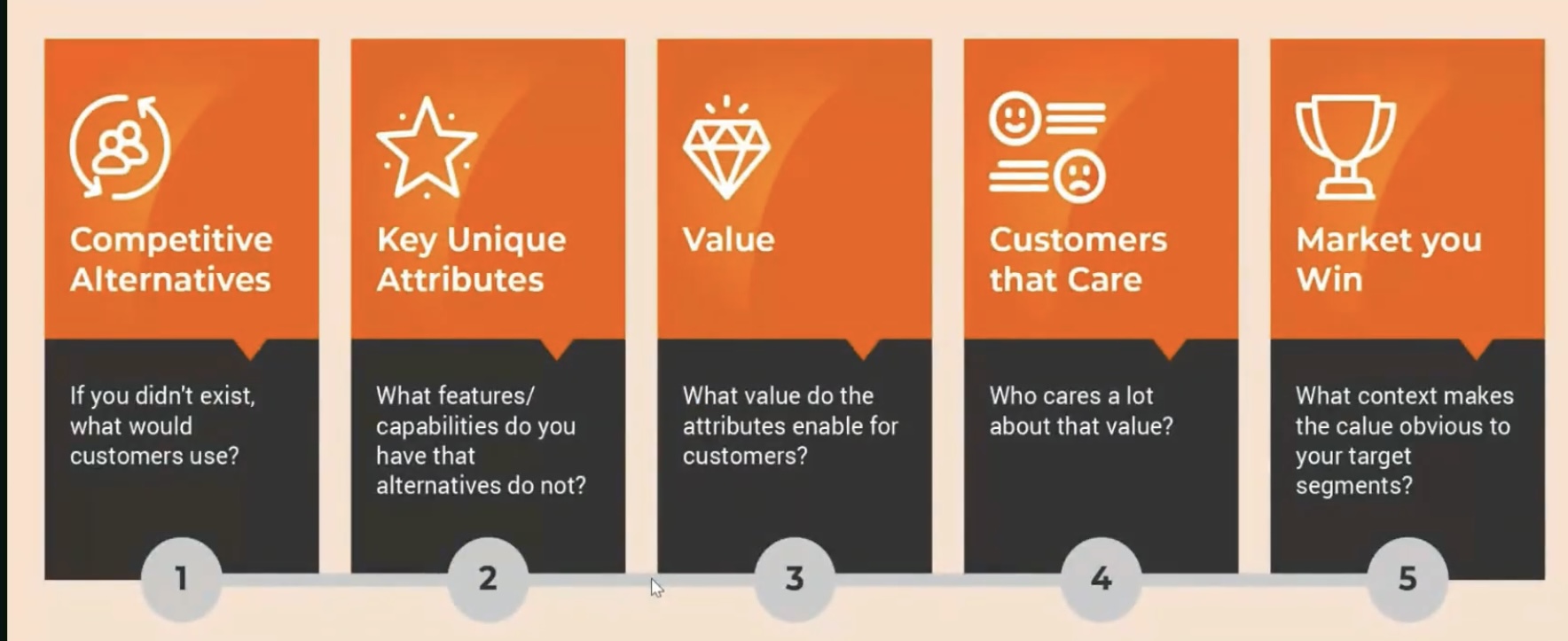
In order for your startup to grow, you need to develop a strong position. Positioning is the input to everything your company does. Everything stems from positioning. If your positioning is off, everything else you do will also be off. Positioning can be broken down into 5 smaller key steps, each building onto the previous one.
Competitive Alternatives:
In order to know what the market lacks, you have to analyze it. Determine who your competitors are by answering this question, if your product did not exist, what would your customers use?
Unique Capabilities:
Your product has to be different. What are the differentiating attributes that your product has? What makes your product unique and different from everything else that is on the market? List all of your product’s features. Doing this will help you find the added value each feature provides to your customers.
Differentiated Value:
Take you unique attributes and now determine what value they provide for customers. Depending on the amount of product attributes, your list of provided values might be short or long. Try to stick with 3 or less because buyers will not remember more than 2. Think of the value as the “what” you enable for your customer and the product attributes as the “how” you do it.
Target Customers:
You need to know your customers. Talk with those who love your product to find out why they prefer it to your competitors and then chat with those who don’t. Ask them questions like: what problem does this product solve for you? Based on customer research, determine who the ideal customer for your product is. It is imperative that you understand their demographics and psychographics of the customers who care about the added value your product provides.
Market Category:
This is the market you intend to win. Based on who your ideal customer is, what market do they belong to?
After you have your positioning down, it is time to test it. Put together a pitch deck that follows the new positioning and present it to prospects. Pay attention to their reaction. Do they understand your product or are they confused? Can they identify your key attributes? Based on their feedback, adjust your positioning.
Nailing your positioning is crucial to growing your business. Your positioning should also change as your company and the market evolves. Remember to revisit your positioning every so often to ensure that it is still relevant.